
What OSHA actually requires for handwashing on a job site
The rule that trips people up is thinking hand sanitizer covers it. It does not. Under 29 CFR 1910.141(d)(2), a compliant handwashing station needs soap and towels or a mechanical dryer, full stop. If your crew is spraying paint, coatings, herbicides or insecticides, or working around other harmful contaminants, OSHA 1926.51(f)(1) kicks in specifically for that exposure. General toilet and sanitation counts on a construction site fall under a separate rule, OSHA 1926.51(c), which sets facility ratios by headcount rather than by chemical exposure. Agricultural operations are different again. Field crews doing hand labor fall under OSHA 1928.110, which calls for potable water, toilets and handwashing within a quarter mile walk, at one facility per 20 workers. That matters for farm and agricultural restrooms work around Pleasanton, where field crews move across large parcels during the day. If you are staging a mixed crew, painters plus general laborers, you may need both a handwashing station rental tied to the paint crew and separate portable toilet rental units for general sanitation. We size both together so nobody's guessing on inspection day.
How many handwashing stations does a Pleasanton job site need?
There's no single number. It depends on crew size, task, and how spread out the site is. A tight residential lot in Pleasanton might need one portable sink rental unit near the entrance, while a multi-acre commercial build could need several staged at different work zones. We look at your OSHA 1926.51(c) toilet count first, since stations often get placed near those units anyway, then add extra handwash points wherever painting, coating or pesticide work happens per 1926.51(f)(1). A crew working 7.3 miles south in Sunol on an ag site follows the 1928.110 quarter-mile rule instead, which spreads stations out more than a compact urban lot would. For general reference on headcount planning, our how many porta potties do I need guide walks through the same logic OSHA uses for toilet ratios, and it applies loosely to handwash spacing too. If your project also needs waste containment, pair the station order with a roll-off dumpster rental so both show up on the same delivery.
Where should handwashing stations go on site?
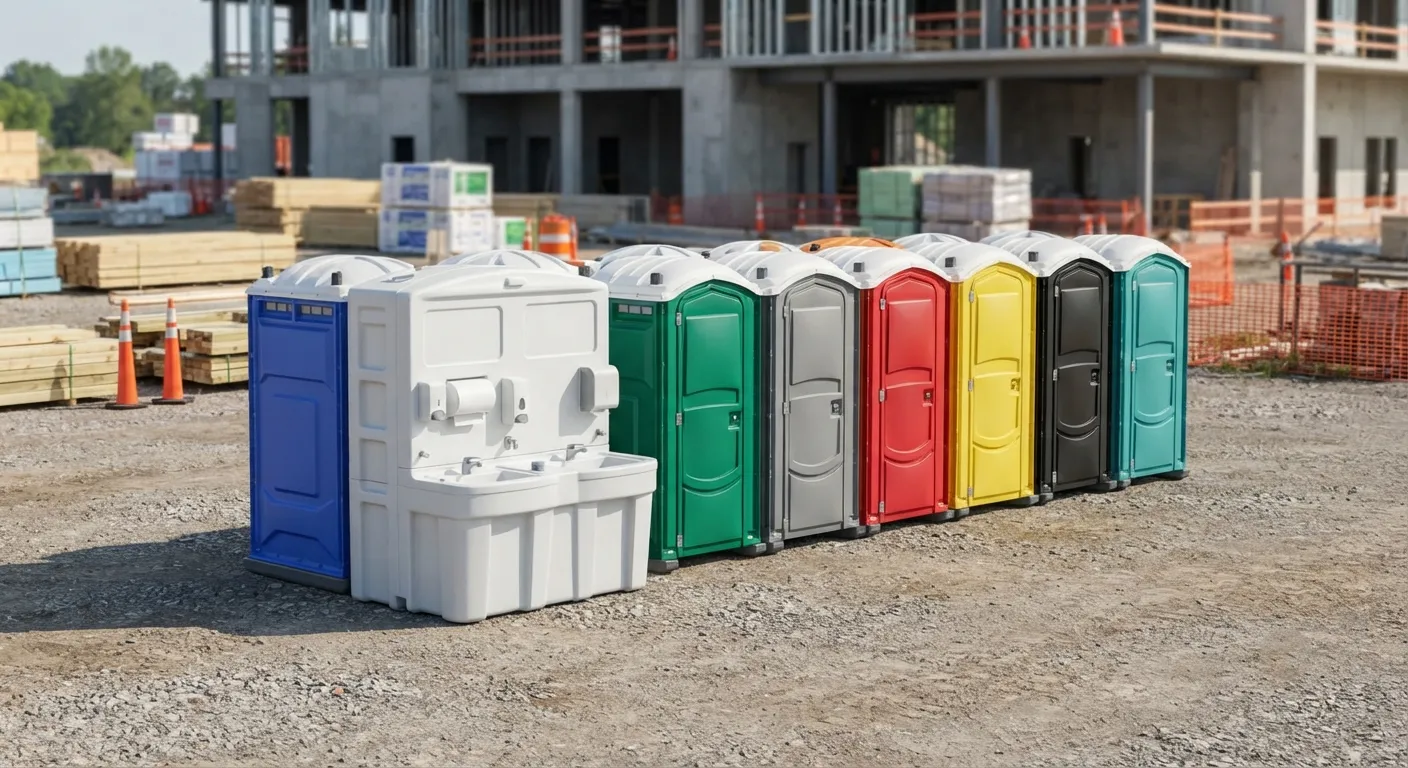
Put them where people actually work, not just by the gate. ADA Standards section 403.5.1 sets a 36 inch minimum clear width for the accessible route leading to any station, and section 304.3.1 calls for a 60 inch turning circle at the unit itself, so don't wedge one into a tight corner. Operable parts, the soap pump, the faucet lever, need to work with one hand and no tight grasping, per ADA Standards 309.4. If you're clustering handwash points near a bank of toilets, remember ADA Standards 213.2 requires at least one accessible unit in that cluster, never zero, even on a small job. We handle placement the same way we handle porta potty placement guide recommendations: close to the work, clear of mud and slope, and on stable ground per ADA Standards 302.1. Pleasanton sites near downtown often have less staging room than suburban lots, so we walk the site with you before drop-off. Projects farther out, like a build near Dublin 5.2 miles north, sometimes have more room to spread stations across multiple work zones.
Do event and food vendor sites need handwashing stations too?
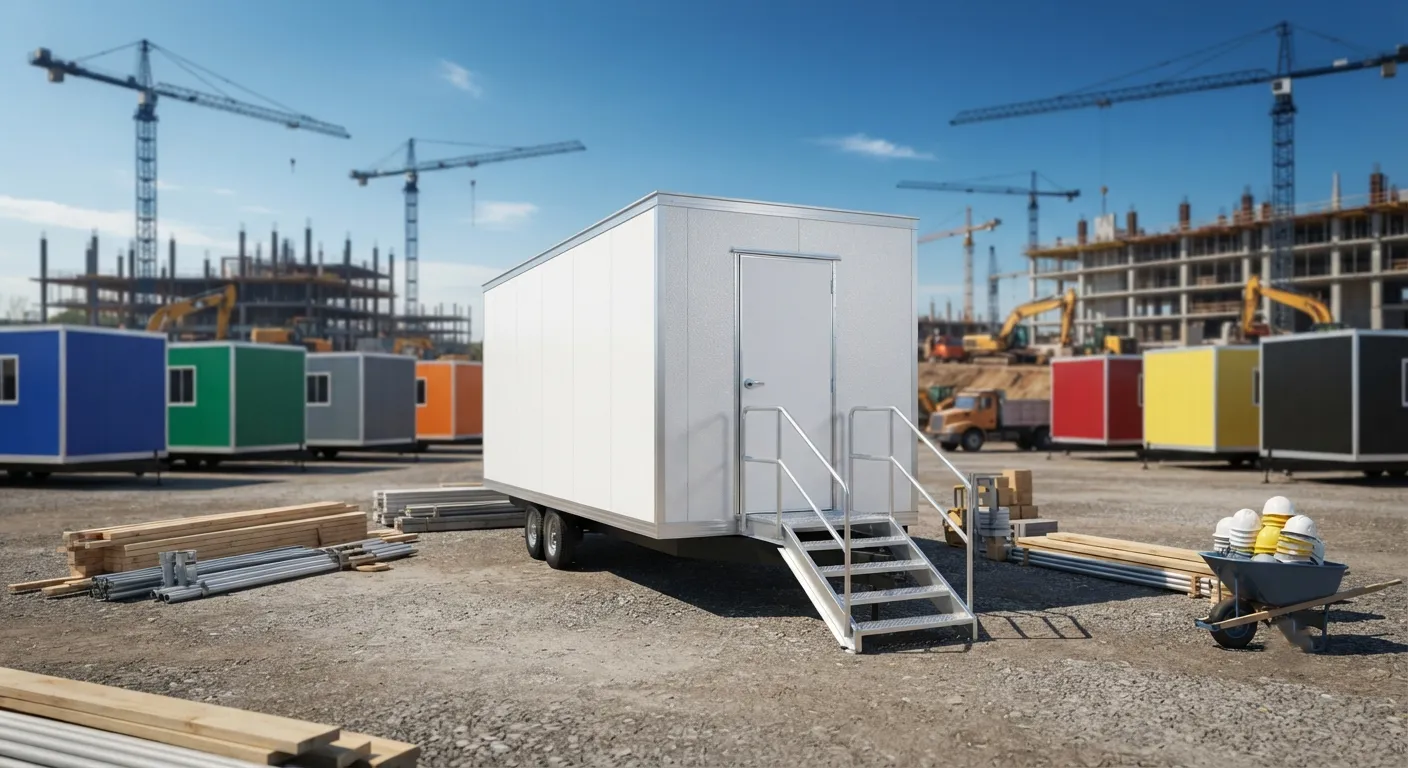
Yes, and the ratio math is different from construction. Events with food service need dedicated handwashing capacity for vendors, separate from what guests use. Grease-heavy operations, think funnel cake stands or fry trucks, also need attention to grease disposal; a grease interceptor gets pumped once fats, oils, grease and solids hit 25 percent of the liquid depth, which our grease trap pumping crews handle on the food-service side. For guest-facing sanitation at a Pleasanton festival, wedding or fair, pair your handwash order with event restroom rental units or a full restroom trailer rental if the event is larger. Weekend events get a flat rate rather than a daily one, so ask about that when you request a quote. If your event runs near Danville, about 13.9 miles northwest of Pleasanton, or out toward Union City, 16.6 miles southwest, we still run the same delivery and pickup schedule, just with more drive time built in.
Does hand sanitizer count as a handwashing station?
No. 29 CFR 1910.141(d)(2) specifically requires soap and towels or a hand-drying device. Sanitizer stations are useful as a supplement, and we rent hand sanitizer station rental units for that purpose, but they don't replace a compliant handwash setup on their own.
What's the difference between 1926.51(f)(1) and general toilet requirements?
1926.51(f)(1) applies specifically when workers use paints, coatings, herbicides or insecticides, or handle other harmful contaminants. General toilet counts on construction sites fall under OSHA 1926.51(c), which sets ratios by crew size. They're separate rules covering separate needs.
Can I rent just one handwashing station for a small crew?
Yes. Small crews under 20 workers on a short job often just need one unit paired with a standard porta potty rental. We deliver single units across Pleasanton on short notice; check our porta potty rental per day page for daily options.
How often does a handwashing station get refilled and cleaned?
Service intervals follow the same baseline as portable toilets under ANSI/PSAI Z4.3, roughly weekly for steady use, though busy sites often need more frequent visits. See how often are porta potties cleaned for the full breakdown.
Do I need a permit to place a handwashing station in Pleasanton?
Placement in the public right of way needs confirming with the city directly; we haven't verified a specific rule for that. For anything near a sidewalk or street, check with the City of Pleasanton before drop-off, and see our porta potty permit requirements page for the general process.
Next step
Get a delivery date
Tell us the address, the dates and the headcount. We size the order and confirm the route.