
How Often Does a Septic Tank Need Pumping?
Every 3 to 5 years, generally. That range comes straight from tank size and household size, the two variables that decide how fast solids build up. A family of five in a house with a small 1,000 gallon tank pumps more often than a couple with a tank built for a bigger household, and either way it helps to check how many porta potties do i need if you're also planning temporary facilities during the work. If you're not sure which side of that range you're on, how often to pump a septic tank walks through the math specific to Pleasanton households. Homes near older Pleasanton neighborhoods with mature landscaping sometimes have root intrusion that speeds things up too, so a straight calendar reminder isn't always enough. Watch for slow drains, gurgling pipes or standing water near the drain field; catching those early beats an emergency call. Pleasanton Porta Pros also handles septic tank cleaning as a companion service when a tank has gone past due and needs more than a routine pump-out. If your property runs a commercial kitchen instead of a home system, the schedule is different, and grease trap pumping covers that separately since grease interceptors get pumped by fat and solids content, not by the calendar.
What Are the Warning Signs of a Full Septic Tank?
Slow drains, sewage odor near the tank, and soggy or unusually green patches over the drain field all point to a tank that needs attention now, not next month. Gurgling in the pipes is often the earliest sign, showing up before anything visibly backs up. A toilet that drains slower than it used to is worth checking before it becomes a Saturday emergency, and the porta potty rental checklist is a useful reference if you end up needing backup facilities during repairs. Septic tank warning signs goes deeper into what separates a routine pump-out from a system in real trouble. Pooling water near the tank lid, especially after dry weather when it shouldn't be wet at all, usually means the tank is overdue. Sewage backing into a tub or shower is the clearest signal there is, and at that point it's an emergency call, not a scheduling call. Pleasanton Porta Pros treats those the way they need to be treated: same-day when the system allows it, and can bring in a standard porta potty rental on the spot if the bathroom is out of service. If your property is 5.2 miles from Pleasanton toward Dublin or out past Sunol 7.3 miles south, distance doesn't change the response, just the drive time.
What Does a Septic Pumping Service Include?
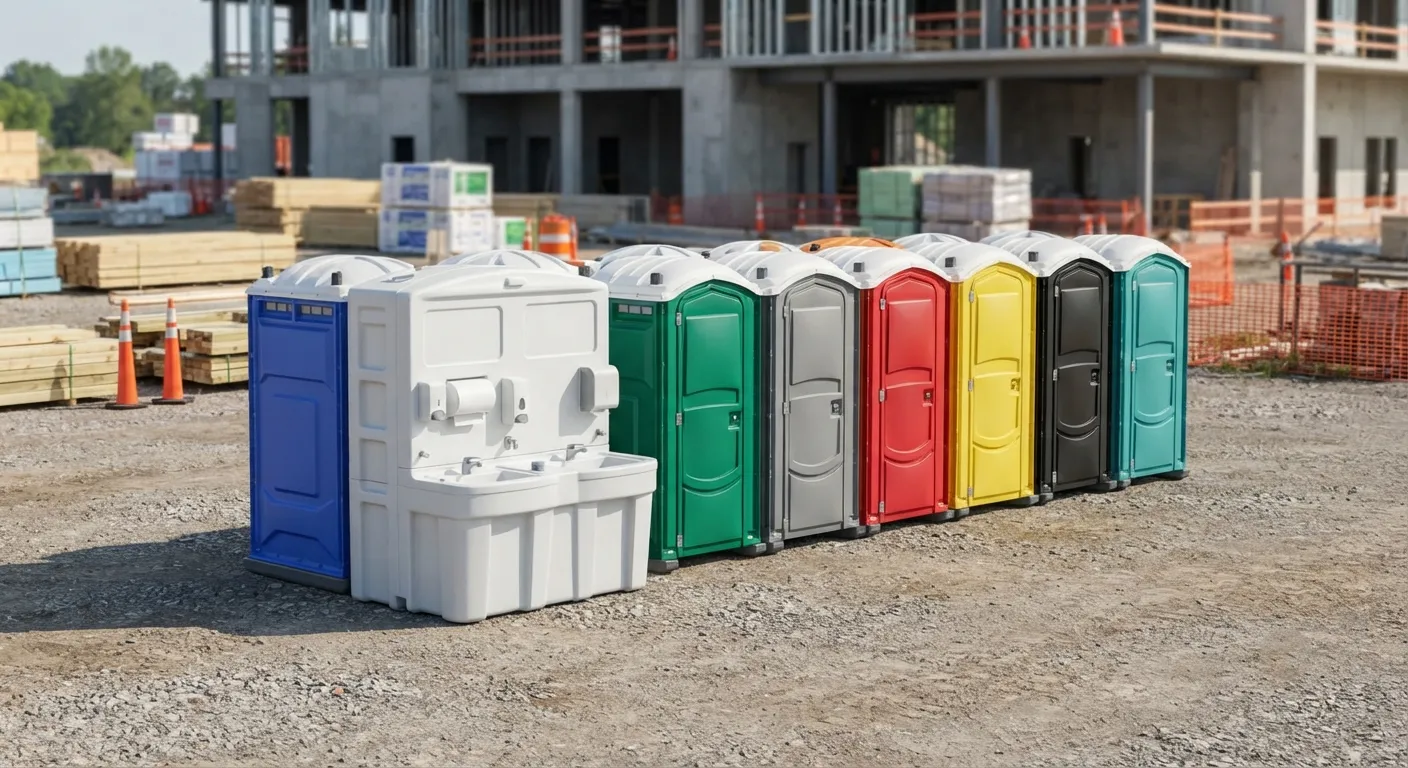
A full-service pump-out means the crew locates the tank, opens the access lid, pumps out liquid and solids with a vacuum truck, and does a basic visual check of the baffles and tank walls while it's open. That inspection step matters: it's the chance to catch a cracked baffle or a tank nearing the end of its life before it fails outright. Pumping without at least a look inside is a shortcut, and it's not what a thorough service looks like, much the same way a roll-off dumpster rental crew should check weight limits before hauling debris off a job site. For properties with a grease interceptor rather than a standard septic tank, the service standard is different since a grease trap gets pumped once fats, oils, grease and solids reach 25 percent of the liquid depth, covered on grease trap pumping. Larger commercial sites sometimes pair septic work with a holding tank rental during construction or system repair, so restrooms stay usable while the permanent system is offline. If your property doesn't have a septic system at all and instead needs temporary facilities, portable toilet rental, portable restroom rental and porta john rental all cover that separately, and an ada accessible porta potty can be added where accessibility is a requirement.
What Does Septic Tank Pumping Cost?
Pricing runs by the day for a standard service call, and the table below reflects what a septic pumping day rate looks like in this market.
| service | duration | low | typical | high |
|---|---|---|---|---|
| septic pumping | day | $150 | $250 | $300 |
| septic pumping | weekend | $50 | $100 | $150 |
Cost moves with tank size, access difficulty and how much solid buildup the crew finds once the lid comes off, similar to how a porta potty rental cost quote shifts with unit type and rental length. A tank that's been neglected for years takes longer to pump than one on a normal 3 to 5 year cycle, and that shows up in the final bill. For a full cost breakdown by tank size and condition, see septic tank pumping cost. If you're weighing septic service against other site needs for a renovation or build, septic tank pumping cost and construction site services both help with planning a combined budget. Homeowners doing a renovation that disturbs the yard or drain field sometimes need portable restrooms during the work too; home renovation porta potty covers that scenario directly, and a temporary fence rental can keep the work zone secured while the drain field is exposed.
Do You Offer Holding Tank Service for Properties Without Septic?
Yes. Some Pleasanton properties, especially ones mid-construction or running temporary operations, don't have a working septic connection at all, and a holding tank fills that gap. Holding tank rental covers setup and scheduled pump-outs on a tank that just stores waste until it's removed, rather than treating it on site the way a septic system does. This comes up often on construction sites where the permanent system isn't tied in yet, and it pairs naturally with construction site services, construction dumpster rental and a storage container rental for a site that needs waste removal, sanitation and secure storage covered under one schedule. Agricultural properties around Pleasanton have their own sanitation requirements too; OSHA 1928.110 sets field sanitation standards for hand-labor employees, requiring potable water, toilets and handwashing within a quarter mile walk, one facility per 20 employees. Farm and agricultural restrooms, handwashing station rental and portable sink rental all apply where that standard governs the site.

What Happens in a Septic Emergency?
A backed-up tank doesn't wait for a convenient appointment, and Pleasanton Porta Pros treats a sewage backup, an overflowing tank or a collapsed lid as same-day priority work. Emergency septic service is built for exactly that: a call that comes in because a tank failed, not because it was time for routine maintenance, much like an emergency porta potty rental call comes in when a site's regular unit fails. The first move on an emergency call is usually a temporary holding tank or a portable toilet setup so the property stays usable while the crew handles the actual pump-out and repair assessment; emergency porta potty rental covers that stopgap. Response radius matters here too. Properties out toward Danville, 13.9 miles northwest of Pleasanton, or Union City, 16.6 miles southwest, are still inside normal service range, though drive time factors into how fast a crew can get there on a true emergency. If the emergency is tied to a broader disaster, like flooding that's overwhelmed a septic field across a wider area, disaster relief sanitation is the page built for that kind of response, and service areas lists which nearby towns are covered under the same response window.
How much does septic tank pumping cost?
A standard day-rate service call runs $150 to $300 depending on tank size, access and how much buildup there is. Weekend service runs $50 to $150. Exact pricing depends on the property; see septic tank pumping cost for a full breakdown.
How often should a 1,000 gallon septic tank be pumped?
Every 3 to 5 years for most households, though a larger family or a tank with root intrusion may need it sooner. How often to pump a septic tank covers the variables that shift that window.
What are the signs my septic tank needs pumping?
Slow drains, gurgling pipes, sewage odor, and soggy or overly green patches over the drain field are the clearest signs. Sewage backing into a tub or toilet means it's overdue now. See septic tank warning signs.
Do you offer emergency septic pumping in Pleasanton?
Yes. A backed-up or overflowing tank gets same-day priority. Emergency septic service covers response, and a temporary holding tank often bridges the gap while repairs happen.
What's the difference between septic pumping and a holding tank?
Septic pumping empties an in-ground tank that treats waste on site. A holding tank just stores waste with no treatment, used where there's no septic connection. Details are on holding tank rental.
Can you pump a grease trap the same way as a septic tank?
No, grease interceptors run on a different standard, pumped once fats, oils, grease and solids hit 25 percent of the liquid depth rather than on a fixed calendar. See grease trap pumping for specifics.
Next step
Get a delivery date
Tell us the address, the dates and the headcount. We size the order and confirm the route.