
What items are banned from a roll-off dumpster?
Hazardous liquids top the list: motor oil, gasoline, pesticides, solvents and anything with a warning label. Paint counts too, unless it is fully dried out, and OSHA 1926.51(f)(1) governs washing facilities where crews are applying paints, coatings, herbicides or insecticides, which tells you how seriously that category is treated on a jobsite. Add tires, car batteries, propane cylinders and refrigerant-holding appliances like fridges and AC units. Asbestos siding, roofing tar and any material tested positive for asbestos also gets excluded, since landfills require separate handling and paperwork. Electronics with mercury or lead, like older TVs and monitors, usually need a dedicated recycling drop instead. If you are running a renovation and unsure what qualifies, our home renovation porta potty customers ask us this constantly, and the honest answer is: when in doubt, call before you load it. A roll-off dumpster rental works fastest when the load matches the permit from the start, and mixed hazardous debris slows the whole pickup down.
Why can't I throw away certain construction debris?
Weight and chemical content are the two reasons. A dumpster has a rated capacity, and wet material like soaked drywall or saturated soil pushes a load over that line fast, which is why dumpster weight limits matter more than volume on most jobs. Concrete, brick and dirt are heavy enough that they often need their own container rather than sharing space with general debris. Contaminated soil, from an old oil spill or fuel leak, falls into a separate handling category because groundwater protection rules apply. If your Pleasanton project turns up an unexpected drum or stained soil patch, stop loading and call. Sorting this before delivery saves a second trip. We size these jobs the same way we scope construction site services, matching the container to the job instead of guessing. A 10 yard dumpster rental suits a bathroom gut, while a 30 yard dumpster rental or 40 yard dumpster rental fits a full teardown, and the banned-item list stays the same no matter the size.
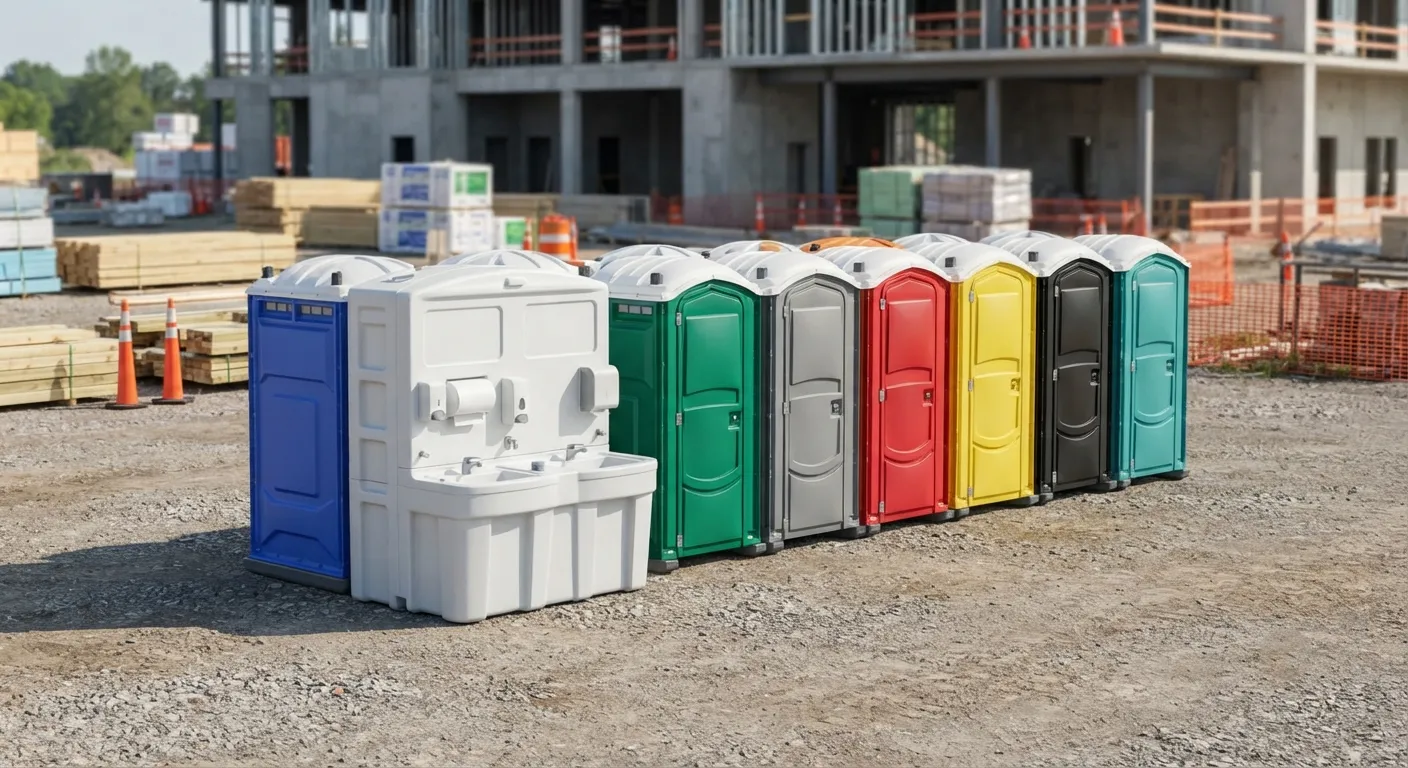
What happens if I put a prohibited item in the dumpster?
Expect a rejected pickup, a redelivery fee, or both. Drivers inspect loads before hauling, and if they spot a battery, a paint can or an obvious hazardous item, they will flag it rather than risk a landfill rejection downstream. That means the container sits on your Pleasanton site longer than planned, which matters when a 20 yard dumpster rental is booked for a tight window. Delivery fees for a redo land in the same range as a standard delivery, and nobody wants to pay twice. Check dumpster permit requirements before ordering too, since placement in the right of way often needs separate confirmation with the city. We have not verified a specific Pleasanton ordinance number for street placement, so ask the city directly if the container needs to sit off your own property. For full detail on what is and is not allowed, our what cannot go in a dumpster guidance stays current with what haulers actually reject at the gate.
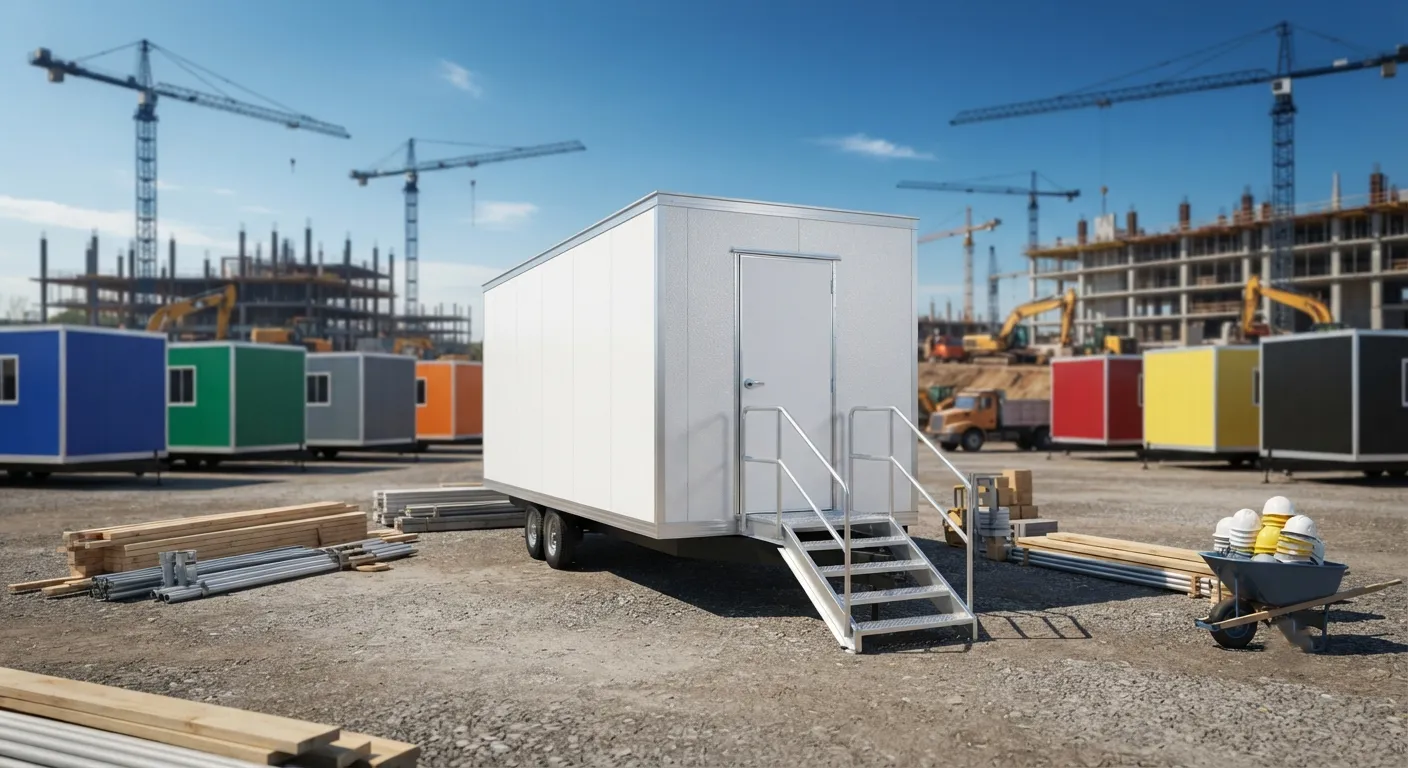
Are there exceptions for yard waste or appliances?
Some, but not blanket ones. Plain yard waste, like branches and grass clippings, is usually fine in a standard load, but check first since some hauls separate organics for composting. Appliances are the tricky one: a stove or dishwasher without refrigerant is generally acceptable, but a fridge, freezer or window AC unit with refrigerant is not, because that gas needs certified removal first. Mattresses and furniture are typically fine. If your project is a full property clear-out rather than a construction job, a storage container rental might make more sense for items you are keeping, while the dumpster takes only what is going away for good. Pleasanton households doing a garage cleanout should separate anything electronic or chemical before the truck arrives. Renters as far as Dublin, 5.2 miles north, and Sunol, 7.3 miles south, run into the same rules, since these categories are set by the landfill, not by zip code. Check dumpster sizes and dimensions if you are unsure which container fits a mixed load like this.
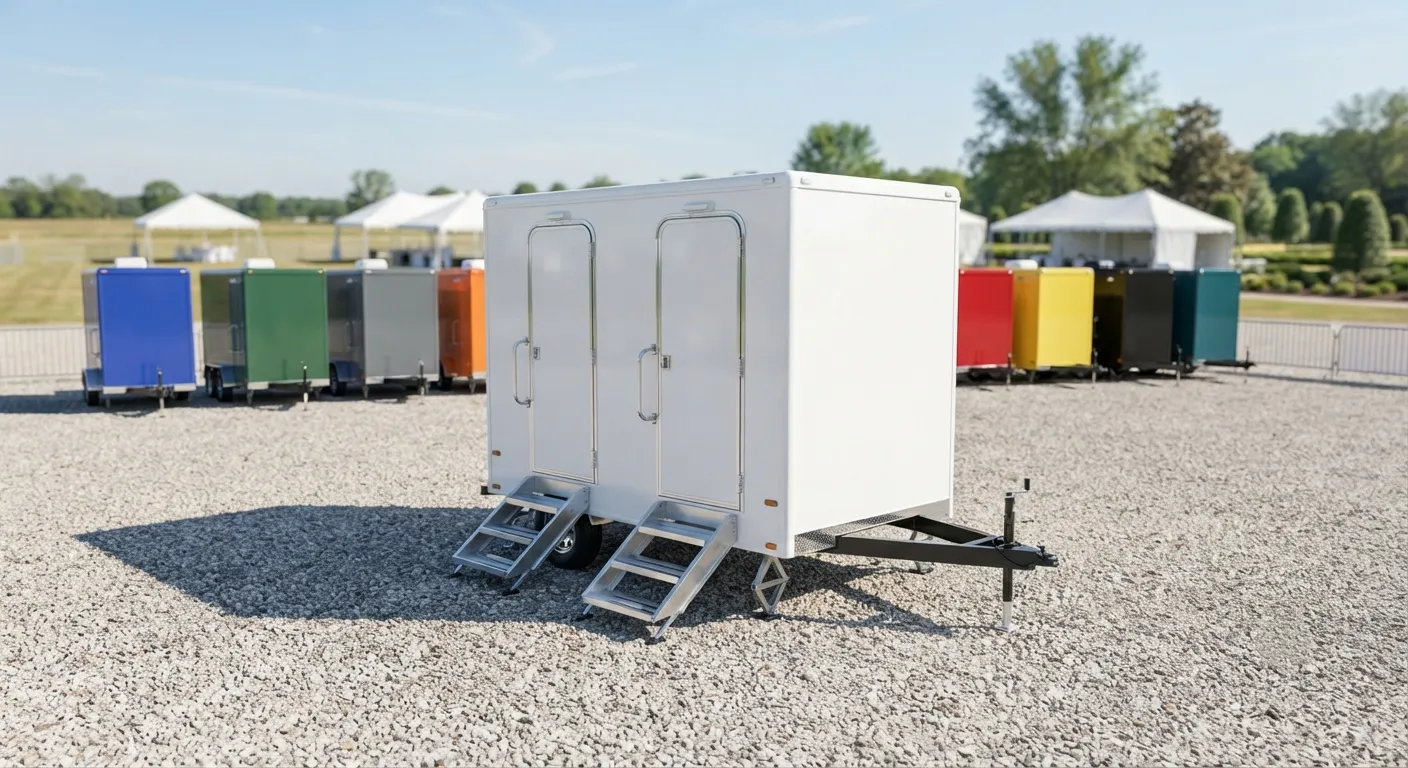
Table: common banned items and where they actually go
| Item | Why it's banned | Where it goes instead |
|---|---|---|
| Paint (wet) | Hazardous liquid | Household hazardous waste drop-off |
| Motor oil | Contaminates landfill liner | Auto parts recycling |
| Tires | Landfill ban | Tire retailer or recycler |
| Car batteries | Lead and acid | Battery recycling point |
| Refrigerant appliances | EPA refrigerant rule | Certified appliance recycler |
| Asbestos material | Health hazard | Licensed asbestos disposal |
What if I only have a small amount of banned material?
Even a small amount gets flagged. One paint can or one car battery is enough for a driver to reject the load on inspection. Set banned items aside in their own pile and dispose of them separately, through a hazardous waste facility or a retailer take-back program, before the dumpster ever gets loaded.
Can I put furniture and mattresses in a roll-off dumpster?
Yes, furniture and mattresses are generally accepted in a standard roll-off load. They take up volume fast though, so factor that into which size you book. A 10 yard dumpster rental fills quickly with bulky furniture alone.
Does drywall count as banned debris?
No, dry drywall is accepted in most loads. Wet or moldy drywall is heavier and sometimes restricted by weight rather than material type, so check dumpster weight limits before loading a demo full of water-damaged sheets.
Who do I call if I am not sure about an item?
Call Pleasanton Porta Pros before you load it, not after. A quick description over the phone is faster than a rejected pickup, and we would rather answer the question upfront than charge a redelivery fee later.
Is there a difference between residential and construction debris rules?
The banned-item list is the same for both. What changes is volume and weight: construction jobs generate more debris overall, which is why construction dumpster rental sizing differs from a household cleanout, even though prohibited materials stay identical.
Next step
Get a delivery date
Tell us the address, the dates and the headcount. We size the order and confirm the route.